May 19, 2026
Does beach sand scratch car paint? What South Bay drivers should know
Most beach sand damage happens during wiping, loading, and dry brushing. Here's how South Bay drivers can protect paint and interiors.
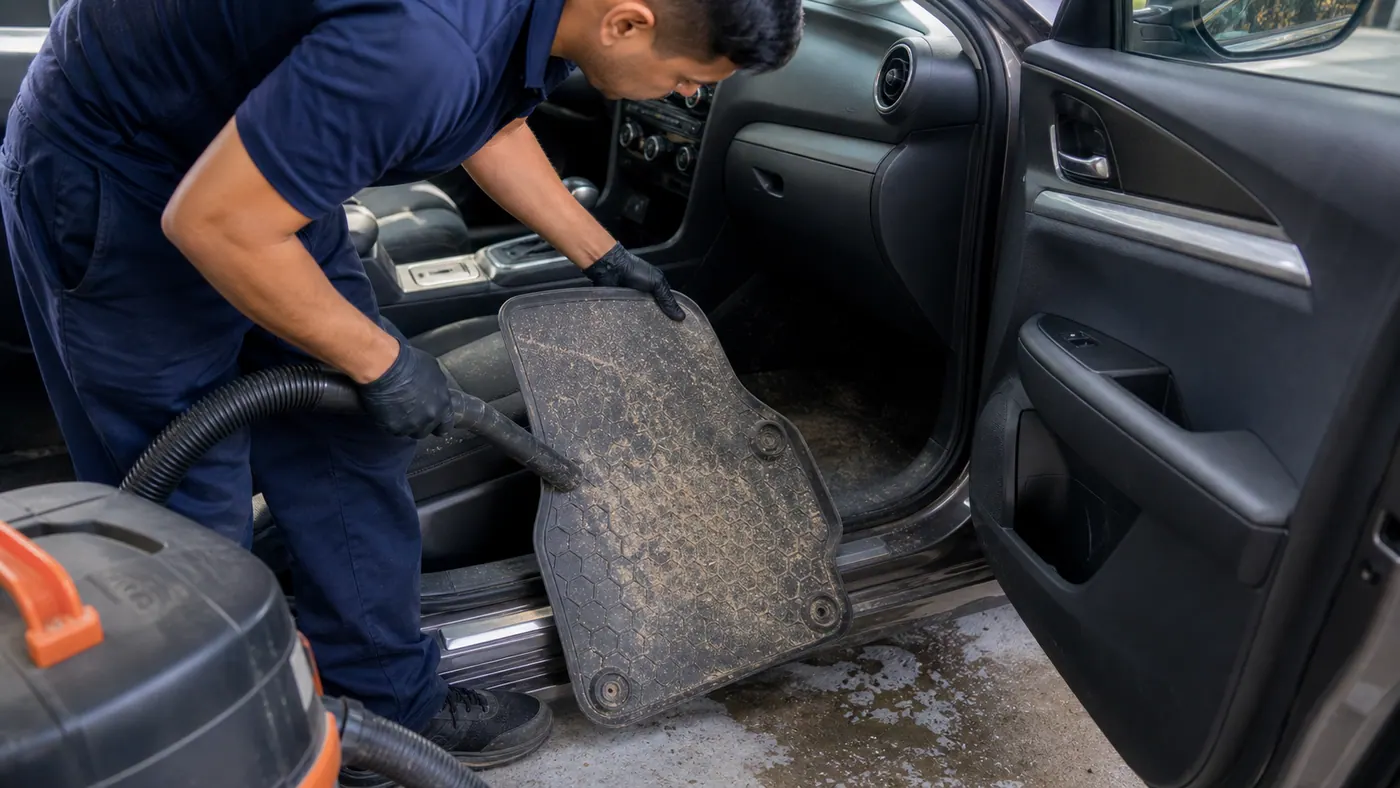
After a South Bay beach day, most drivers notice the obvious mess first: sandy mats, dusty glass, maybe a rear bumper covered in footprints from loading chairs or a stroller. The part they miss is what happens in the small in-between moments.
The scratch usually does not happen while the car is parked by the water. It happens when someone brushes sand off the hood with a dry hand, drags a tote across the bumper, or wipes the windshield before heading home on PCH.
That is why beach cars in Redondo Beach, Hermosa Beach, Manhattan Beach, and Torrance often pick up fine paint wear faster than owners expect. The beach is only half the problem. The contact after the beach is the bigger one.
Sand is most damaging when it moves
Beach sand is abrasive, but it is not magic. A few grains resting on the paint are less risky than those same grains getting pushed around under pressure.
Think about the common South Bay version of that pressure:
- A beach towel across a dusty trunk lid
- A cooler sliding into the cargo area
- Kids climbing in with sandy legs
- A quick wipe at the parking lot before dinner
- A backpack brushing the door while you unload
That is why the same car can look fine after one Saturday in the lot at Torrance Beach, then pick up fresh marring on Sunday morning in the driveway. The friction event often happens later.
This also explains why rear bumpers, hatch openings, and piano-black trim get beat up so quickly. Those are high-contact zones, and beach gear almost always passes over them.
Beach parking creates more scratch points than most drivers realize
Ocean air gets most of the attention near the coast, but sand is more direct. It settles in specific places, then waits for movement.
The first zone is the lower body. Wind and tire spray throw grit onto rocker panels, lower doors, and the area behind the wheels. If you park near the sand in Redondo or Hermosa, that lower band usually gets dirtier than the hood.
The second zone is the glass and roofline. Fine grit lands around windshield edges, mirror caps, and the top of the hatch. One quick dry wipe before merging into summer traffic is enough to turn that film into light scratching.
The third zone is the cargo opening. This is the one families and beach regulars deal with most. Fold-up chairs, umbrellas, boogie boards, soccer gear, and snack bags all pass over the same painted edge. Even careful loading can rub grit into the finish if that lip is already dusty.
Drivers coming from Hermosa Beach or Manhattan Beach often notice this on hatchbacks and SUVs first. A sedan parked in a garage in Torrance may stay cleaner longer, while a street-parked car in North Redondo Beach tends to collect that coastal grit more often between washes.
The dry wipe is usually the real culprit
If there is one habit that ages beach-car paint faster than it should, it is the quick cleanup with no rinse.
People do it for understandable reasons. The windshield looks hazy. The hood has a dusty patch. The rear glass is hard to see through after a windy afternoon. So they grab the nearest towel, old T-shirt, or even the edge of a sweatshirt and go after it.
That quick fix is where many of the fine marks begin.
Beach sand is harder than the paint surface. Once trapped between fabric and clear coat, it behaves like a tiny abrasive. Black cars show it fastest, but white, silver, and gray cars are not immune. On lighter colors, the first clues often show up on gloss-black trim, door-cup areas, and the rear bumper top instead of the middle of the hood.
The safer move is boring but effective: leave it alone until you can rinse or wash it properly.
A better post-beach routine for South Bay drivers
You do not need a long weekend detailing ritual. You just need a cleaner handoff between the beach and the next workday.
Start before you pull away:
- Shake out towels and floor mats before they go back in the car.
- Keep sandy gear in bins or on liners instead of directly on carpet.
- Avoid brushing grit off painted panels with your palm or a beach towel.
Then handle the car soon after:
- If the exterior only looks dusty, choose one of the wash packages before the next hot afternoon bakes that film onto the surface.
- If the mats, door sills, and cargo area are gritty too, go with a full-service option so the inside gets vacuumed instead of just the paint.
- If the finish feels rough or the trim already looks scuffed, the detail menu is the better place to start.
One overlooked step matters a lot for beach cars: clean the seams. Sand loves hatch lips, door jambs, weatherstripping edges, and seat rails. If those areas stay loaded with grit, the car keeps spreading sand onto clean surfaces every time you open it back up.
When a wash is enough and when it is not
Fresh sand is a maintenance problem. Scratched paint is a correction problem.
A normal wash is usually enough if:
- The exterior looks dusty but still feels smooth
- The grit is mostly on the mats or cargo liner
- You caught it within a day or two of the beach
A stronger service is worth it if:
- Sand is packed into carpet, seat tracks, or door pockets
- The rear bumper lip already looks rubbed or cloudy
- You see swirl marks on black trim or dark paint
- The car has gone through several beach weekends without a real reset
That is where regular upkeep pays off. South Bay drivers who clean the car while the grit is still fresh usually spend less time chasing permanent-looking marks later.
Beach days are great for people and rough on paint, trim, and interiors. If your car has been doing the Redondo-to-Hermosa-to-Manhattan loop, a timely wash can remove the grit before it gets dragged around any farther. If you want a second opinion on whether you need a simple wash or a deeper cleanup, use the contact page and the crew can point you in the right direction without turning it into a bigger job than it needs to be.
Up next
First time here? Unlock your free wash.
Built for sandy South Bay cars, clear prices, and no membership games.
Keep reading
More from the blog
-
Jun 2026
Searching for a car wash on Torrance Blvd? Here is how South Bay drivers pick the right stop
Looking for a car wash on Torrance Blvd? Use this local guide to choose exterior, full-service, or detailing based on beach sand, traffic film, and timing.
-
Jun 2026
Why bird droppings damage car paint faster near the beach
Beach parking, hot paint, and salty air make bird droppings harder on your finish. Here is how South Bay drivers should clean them fast.
-
Jun 2026
Why your car smells musty after beach trips in the South Bay
Damp towels, sandy mats, and marine layer moisture can make beach cars smell stale fast. Here is how South Bay drivers stop it early.