June 1, 2026
Why your windshield gets hazy so fast near the beach in Redondo Beach
Beach parking, marine layer, sunscreen hands, and sunset glare make windshield haze show up fast in the South Bay. Here is how to stay ahead of it.
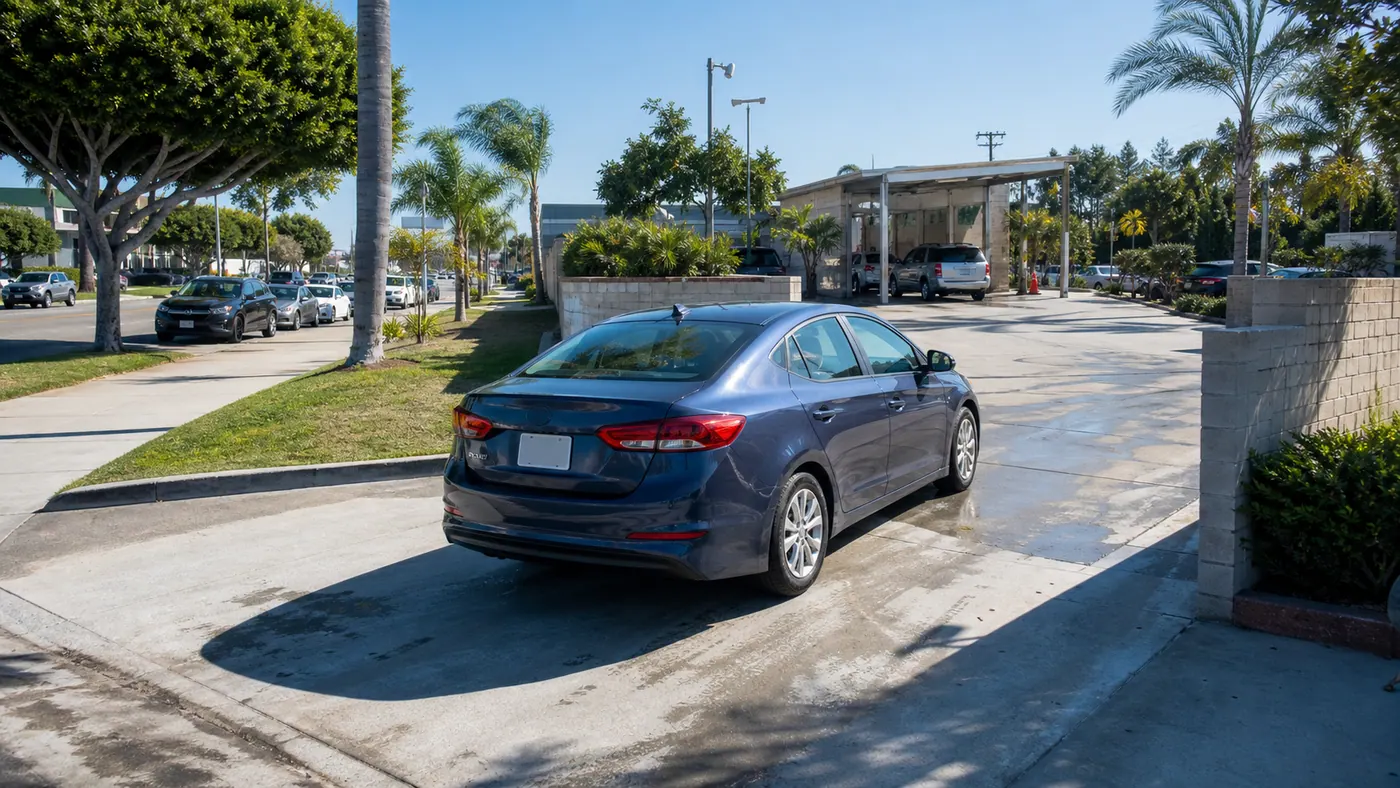
Windshield haze usually shows up at the worst possible moment: westbound on Torrance Blvd with the sun low, or pulling up PCH after an afternoon at Torrance Beach. The glass looked fine in the lot. Then the glare hits and suddenly every streak, salt trace, and fingerprint lights up.
Near the coast, that haze is rarely one thing. It is usually a stack: salt film on the outside, sunscreen and cabin residue on the inside, plus beach light that exposes both at once. For local drivers using a Redondo Beach car wash as regular maintenance, clean glass is one of the first differences you notice.
Why beach-day glare makes the problem feel worse
The South Bay gives your windshield a tough mix.
You get ocean moisture overnight, fine grit from beach parking lots, and then a strong late-day sun angle that turns a light film into obvious glare. That is why a windshield can seem normal at noon and suddenly look cloudy on the drive back through Riviera Village or on the climb away from the Esplanade.
Three local moments expose haze faster than most:
- leaving Torrance Beach or the Redondo waterfront near sunset
- early-morning commutes after a damp marine-layer night
- westbound errands when the glass is catching low light straight on
That is the first useful insight here: the haze is often not getting dramatically worse in real time. The light is finally showing you what has been building all week.
There are usually two films on the same windshield
Most people treat windshield haze like one problem. Near the beach, it is usually two.
Outside film: salt, mist, grit, and dried spray
If your car sits outdoors in Hermosa Beach, Manhattan Beach, or the west side of Torrance, the outer glass picks up a light coastal layer fast. It does not have to be visible ocean spray. Marine-layer moisture and salt in the air are enough.
That layer likes to collect around:
- the lower windshield corners
- wiper paths and wiper edges
- the top edge of the glass after a beach parking session
- side glass that got touched with sandy hands
Add dried washer fluid, bug marks, or one rushed wipe with a dusty towel and the outside starts scattering light much sooner than drivers expect.
Inside film: sunscreen, dashboard residue, and fingerprints
The inside gets overlooked because the problem hides until the sun hits it.
Beach cars build up film inside the glass from:
- sunscreen on hands after loading up
- skin oils on the steering wheel side of the windshield
- interior plastics warming up in a closed car
- kids and passengers touching the glass while climbing in or checking directions
That is the second insight most people miss: a windshield can be freshly rinsed outside and still glare badly because the inside is doing half the work. If your car already has sunscreen smears on the console or door pulls, the inside glass is usually part of the same cleanup. Our guide on removing sunscreen from car interiors goes deeper on that side of the problem.
What to check before you blame the wipers
Wiper blades get blamed for haze all the time, and sometimes they deserve it. Often they are not the real issue.
Look for these clues first:
- The glare blooms worst at sunset, not during the middle of the day.
- The windshield looks cleaner right after a wash, then cloudy again once the cabin heats up.
- Side windows and the rear glass look a little greasy too.
- The haze sits outside the main wiper arc or along the glass edges.
If that sounds familiar, the problem is probably film, not mechanical failure.
Paper towels from the glove box and a quick swipe at a stoplight usually make things worse. So do old beach towels, dry dusting, and household glass cleaners that leave their own residue behind. A clean microfiber and a real reset beat a dozen rushed wipes.
Drivers in North Redondo Beach run into this a lot after cars sit outside for a few marine-layer mornings in a row. The glass never looks terrible in the driveway. It looks terrible once the sun is right in your face.
When a quick wash fixes it and when it does not
Not every hazy windshield needs the same solution.
An exterior wash is usually enough when the problem is fresh outside film and the rest of the cabin still feels clean. That is the simple fix after a windy beach afternoon, a salty overnight park, or a week of normal commuting with no major interior mess.
A full-service wash makes more sense when the haze is part of a bigger South Bay pattern:
- sandy mats
- fingerprints on the inside glass
- sunscreen on the console
- dusty dash surfaces
- a car that looks decent outside but tired once you open the door
That is where the wash choice matters. A car that spends time at the beach usually does not get dirty in only one direction.
Move up to the detail menu if the glass still looks smeared after a proper cleanup, the wiper area feels etched or rough, or the interior residue has been baking in for weeks. At that point you are past a quick reset and into correction territory.
A better South Bay routine for clearer glass
The easiest way to beat windshield haze is to stop letting small residue sit long enough to layer up.
For most local cars, the routine is uncomplicated:
- Knock sand off bags, towels, and feet before getting back in.
- Wipe obvious sunscreen prints the same day with a clean microfiber.
- Do not dry-wipe salty glass the morning after a damp coastal night.
- Wash sooner after beach parking instead of waiting for the next free weekend.
- Step up from exterior-only once the inside glass, mats, and front seats all start slipping together.
This is the third big insight: hazy glass is usually a timing problem before it becomes a cleaning problem. Fresh residue comes off fast. Baked residue turns into the annoying glare that keeps returning on every sunset drive.
Beach days are worth it. Driving home squinting into a cloudy windshield is not.
If your glass keeps lighting up on the drive between Redondo Beach, Hermosa, Manhattan Beach, and Torrance, start with the wash packages and take the faster fix while the film is still fresh. If the whole cabin already feels beach-worn, use the contact page before your next coastal loop and we can point you toward the right reset.
Up next
First time here? Unlock your free wash.
Built for sandy South Bay cars, clear prices, and no membership games.
Keep reading
More from the blog
-
Jun 2026
Searching for a car wash on Torrance Blvd? Here is how South Bay drivers pick the right stop
Looking for a car wash on Torrance Blvd? Use this local guide to choose exterior, full-service, or detailing based on beach sand, traffic film, and timing.
-
Jun 2026
Why bird droppings damage car paint faster near the beach
Beach parking, hot paint, and salty air make bird droppings harder on your finish. Here is how South Bay drivers should clean them fast.
-
Jun 2026
Why your car smells musty after beach trips in the South Bay
Damp towels, sandy mats, and marine layer moisture can make beach cars smell stale fast. Here is how South Bay drivers stop it early.